How a financial institution responds to fraud makes a difference
Consumers are decidedly receptive to the concrete results that AI-powered fraud detection enables, according to Abrigo's 2026 State of Fraud Survey.
Key topics covered in this post:


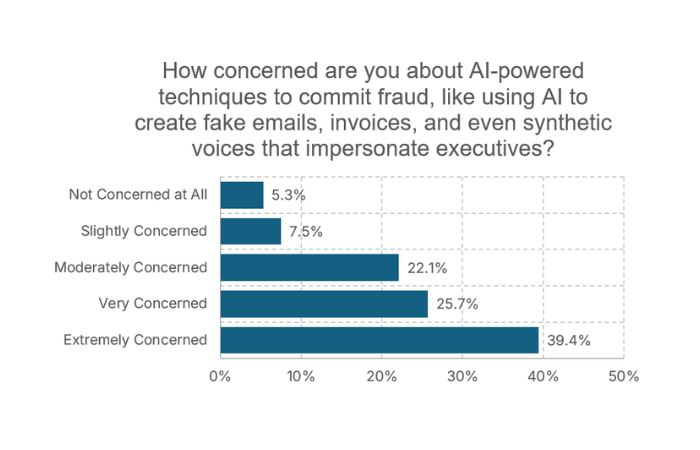
Consumers are decidedly receptive to the concrete results that AI-powered fraud detection enables, according to Abrigo's 2026 State of Fraud Survey.
Key topics covered in this post:
Fortunately, concern does not necessarily reflect widespread firsthand experience with AI-assisted fraud. 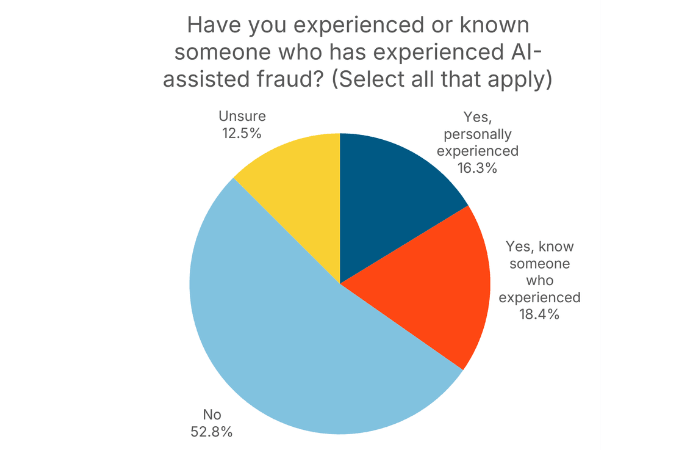
About 1 in 6 consumers have personally experienced it, while nearly 1 in 5 know someone who has. Consumers ages 25 to 44 were the most likely to have either experienced AI-assisted fraud themselves or know someone who has.
Given their experience and concern, customers want and need confidence that their financial institution can:
In fact, 3 out of 5 consumers said being a victim of fraud would make them more likely to minimize their banking relationship with a financial institution.
The good news for financial institutions is that clients do not need to know about every tool in the fraud stack for effective tools to create value. Many consumers do not know whether AI is already part of their institution’s fraud defenses. In Abrigo’s survey, 55.7% of consumers (and 84.4% of consumers 65 and older) do not know whether their current bank or credit union uses AI-enabled fraud-detection tools. Only 18.9% said they do know.
That uncertainty may be tempering enthusiasm for AI tools and may reflect an opportunity for customer or member education. Nearly half of consumers, 45.6%, said they need more information to say whether AI is effective at fraud detection. And when asked if they’d feel more confident in their institution’s ability to detect fraud if it used AI tools, respondents were roughly split among yes, no, and “I don’t know.”
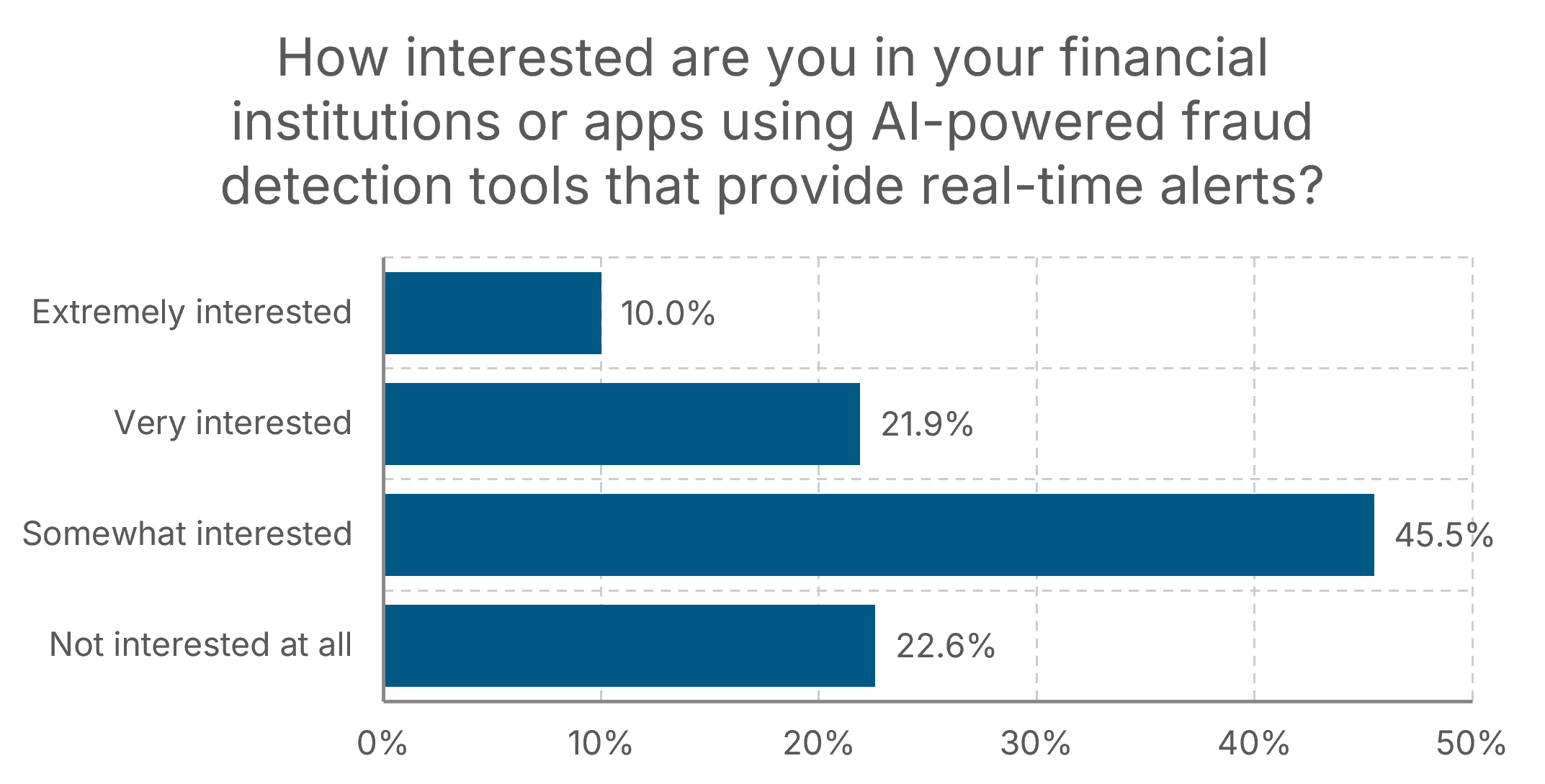
But consumers are decidedly receptive to the concrete results that AI fraud detection can enable. More than three-quarters of respondents, 77.4%, said they were at least somewhat interested in financial institutions or apps using AI detection tools that provide real-time alerts.
When asked what would make them more secure in their banking experience:

Abrigo enables U.S. financial institutions to support their communities through technology that fights financial crime, grows loans and deposits, and optimizes risk. Abrigo's platform centralizes the institution's data, creates a digital user experience, ensures compliance, and delivers efficiency for scale and profitable growth.
Make Big Things Happen.